The Magnetic Strip of Credit Cards
Credit cards offer you a line of credit that can be used to make purchases, balance transfers and/or cash advances and requiring that you pay back the loan amount in the future. When using a credit card, you will need to make at least the minimum payment every month by the due date on the balance. I’ll show you that there’s a magnetic field on the strip.
Things you’ll need: a used credit card, clear tape, iron dust, and a piece of paper.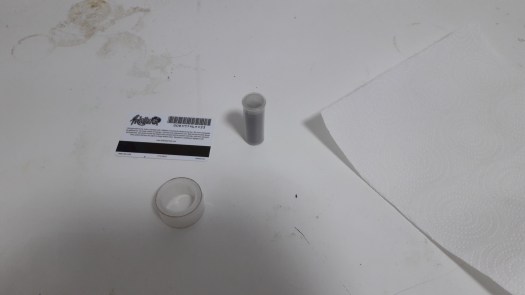
- Sprinkle the iron dust onto the magnetic stripe on the credit card.
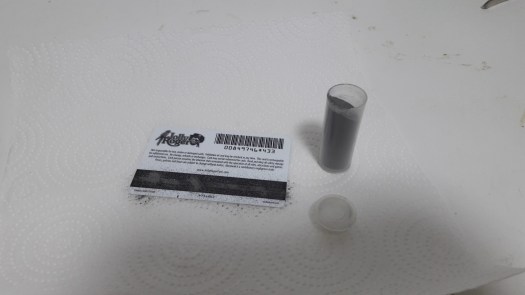
- Tap the credit card on the table to make the iron dust spread around the magnetic stripe
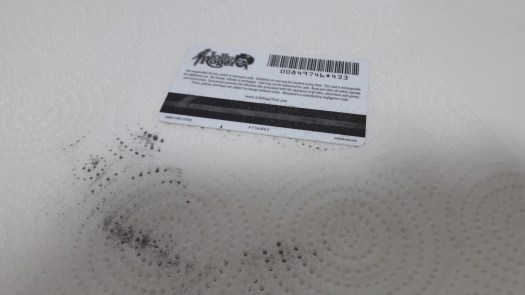
- Put a piece of tape along the magnetic stripe.

- Pull the tape out and observe it.

The stripe on the back of a credit card is a magnetic stripe (that’s what you’re seeing on the tape), often called a magstripe. The magstripe is made up of tiny iron-based magnetic particles in a plastic-like film. Each particle is really a very tiny bar magnet about 20 millionths of an inch long.
Your card also has a magstripe on the back and a place for your all-important signature.
The magstripe can be “written” because the tiny bar magnets can be magnetized in either a north or south pole direction. The magstripe on the back of the card is very similar to a piece of cassette tape fastened to the back of a card. (See How Tape Recorders Work.)
Instead of motors moving the tape so it can be read, your hand provides the motion as you “swipe” a credit card through a reader or insert it in a reader at the gas station pump.
There are three basic methods for determining that your credit card will pay for what you’re charging:
- Merchants with few transactions each month do voice authentication, using a touch tone phone.
- Electronic data capture (EDC) magstripe card swipe terminals are becoming more common — so is having you swipe your own card at the checkout.
- Virtual terminal on the Internet
This is how it works: After you or the cashier swipes your credit card through a reader, the EDC software at the point of sale (POS) terminal dials a stored telephone number via a modem to call an acquirer. An acquirer is an organization that collects credit authentication requests from merchants and provides a payment guarantee to the merchant.
When the acquirer company gets the credit card authentication request, it checks the transaction for validity and the record on the magstripe for:
- Merchant ID
- Valid card number
- Expiration date
- Credit card limit
- Card usage
 Danupon Drake